The BBHC Food Pyramid
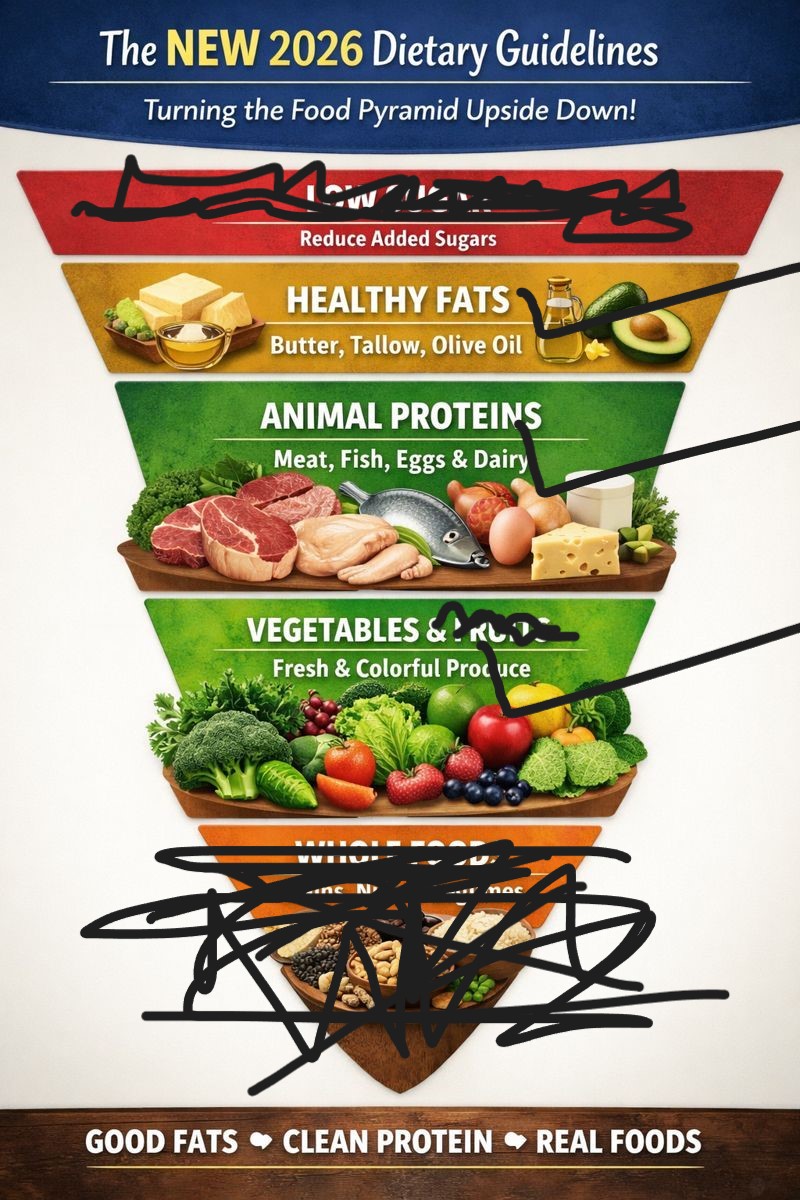
Every food pyramid tells a story. Most of the last 50 years told a very bad one. The pyramid you’ve shared tells a different story altogether—and frankly, it’s the one human biology has been waiting for.

Every food pyramid tells a story. Most of the last 50 years told a very bad one. The pyramid you’ve shared tells a different story altogether—and frankly, it’s the one human biology has been waiting for.

Once medicine was redefined around pharmaceuticals and chemical intervention, it was only a matter of time before nutrition followed the same industrial logic. If disease management depends on drugs, then food does not need to prevent disease — it merely needs to avoid killing you too quickly. This distinction matters, because it explains much of what we now call “official” dietary advice.

For over forty years, dietary guidelines followed the same basic script. Grains formed the foundation. Carbohydrates were king. Fat was the enemy. Calories were the currency. And despite rising obesity, diabetes, fatty liver disease, and metabolic dysfunction, the model barely changed. It was tweaked, repackaged, renamed—but never fundamentally challenged. Until now.

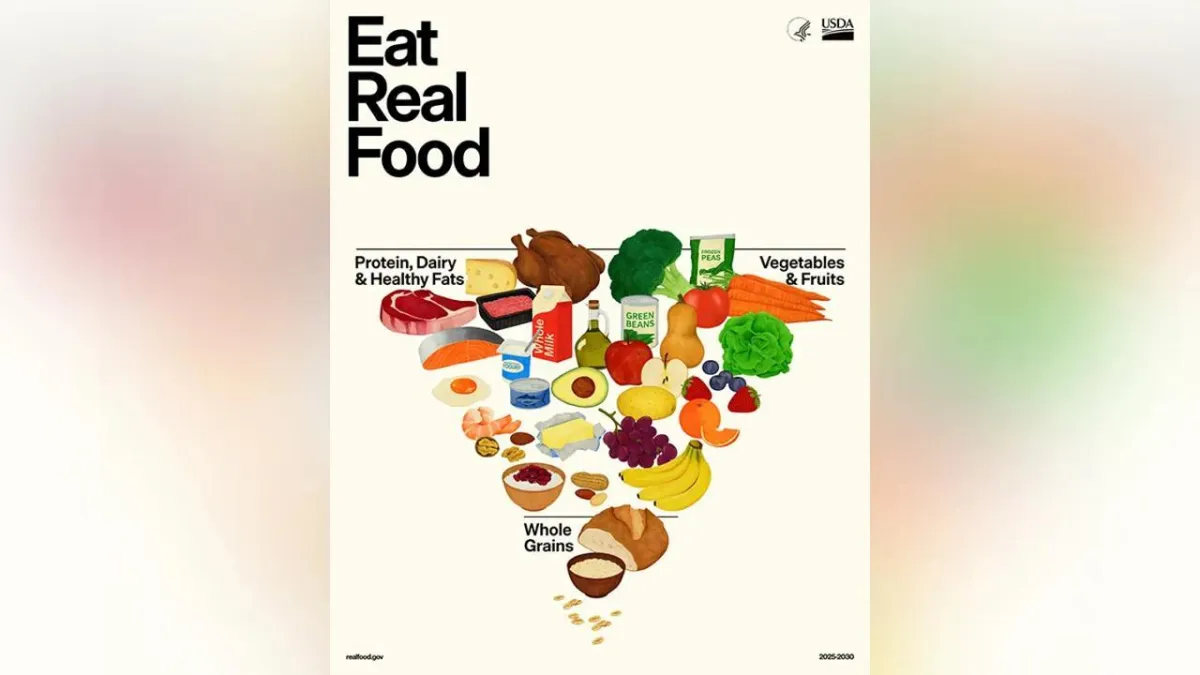
For decades, dietary guidelines have been a source of confusion, contradiction, and quiet frustration. Every five years, the pyramid changes shape, food groups move up or down, and the public is told—once again—that this time the science is settled. Now, under the administration of Donald Trump, a new set of U.S. dietary guidelines has been released, closely aligned with the “Make America Healthy Again” (MAHA) agenda championed by Robert F. Kennedy Jr..